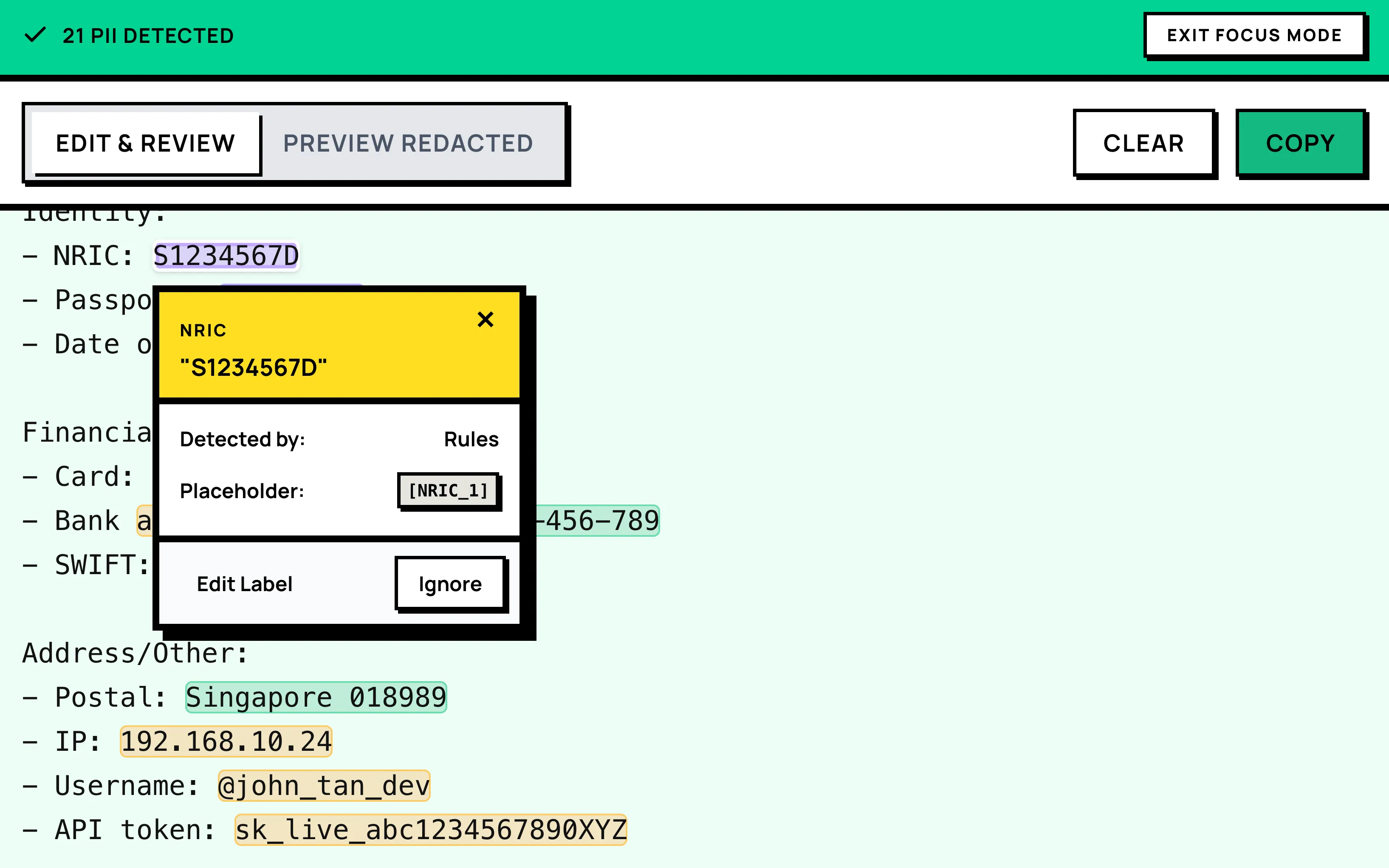
We’ve traded our privacy for a “Summarize” button, and it’s honestly embarrassing.
Every other day, there’s another headline about some sensitive leak because someone dumped a client’s internal notes into a black-box LLM just to save twenty minutes. We’ve become lazy, and in that laziness, we’ve become reckless. We treat AI like a magic box and ignore the fact that we’re feeding it everything.
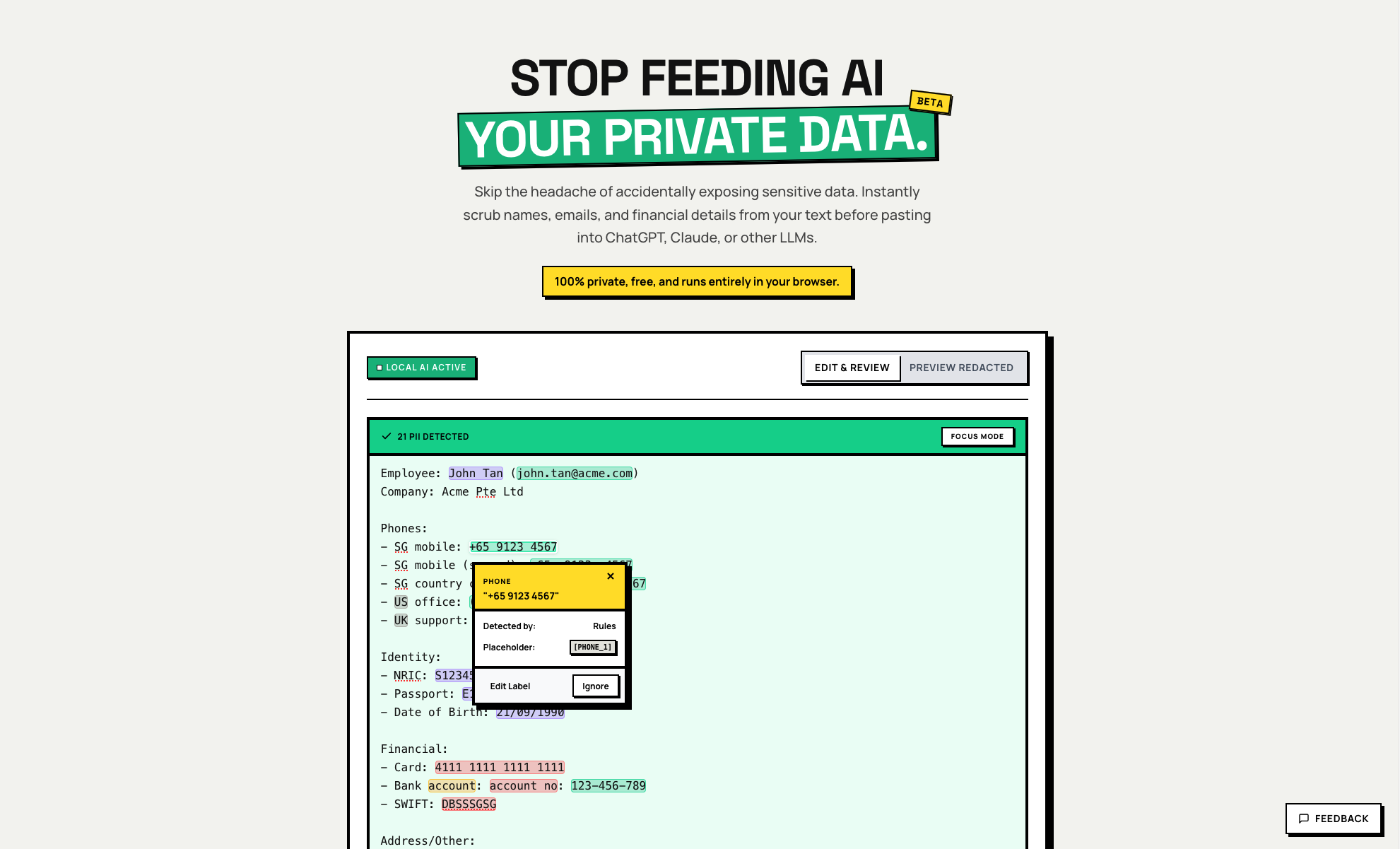
ScrubZero isn’t some “AI-powered revolution.” It’s an act of containment. I wanted to build a PII redactor that treats your browser like a vault. No servers, no data-harvesting, no “training” on your secrets. Just a local model trapped on your device, doing the boring work so you don’t have to risk your job for a summary.
5 Minutes of Execution is a Myth
People love to say “Plan for 55 minutes, execute in 5.” That’s a lie. Execution isn’t the easy part; it’s a deep-dive into architectural friction.
I thought I was being “efficient” by skipping Figma and “designing in code” with Gemini and Windsurf. I thought I’d just prompt my way to a finished product. I was wrong. I spent the “execution” phase wrestling with Transformers.js and trying to get a model to cache in a local browser without the whole tab hanging.

I wasn’t “executing” a plan; I was fighting with the limitations of the browser. It turns out, making things “simple” for the user is incredibly complicated as a product builder.
The Problem with Super “Smart” Tools
In this build, the “Product Design” wasn’t entirely about the UX. It was about the logic.
Standard AI models are surprisingly bad at regional nuances. They’ll catch a Western name but trip over a Singaporean NRIC or a specific local address format. If a redaction tool is only 98% accurate, it’s 100% dangerous. And that is still a work in progress.
I had to sacrifice the “smart” parts of an AI model and go back to a hybrid approach—highly optimized RegEx paired with tiny, specialized models. It was a blow to my ego to realize that the “cutting-edge” AI I wanted to use was actually the weakest link in the product. Also, it helps to keep the size small for many devices, including smartphones.
The Resource Management Chore
Building in 2026 isn’t just about code anymore; it’s about managing your “AI allowance.”
Using Windsurf has become a resource management chore. With the current quotas, you can’t afford to be sloppy. Every prompt has to count. I had to stop treating the AI like a magic wand “do it all” and start treating it like a junior dev who I’m paying by the minute.
My “agile” plan was basically survival:
- Phase 1: Get the damn model to download and detect a name without crashing.
- Phase 2: Make it work offline so the “privacy” claim actually means something.
- Phase 3: Build a UI that doesn’t get in the way.
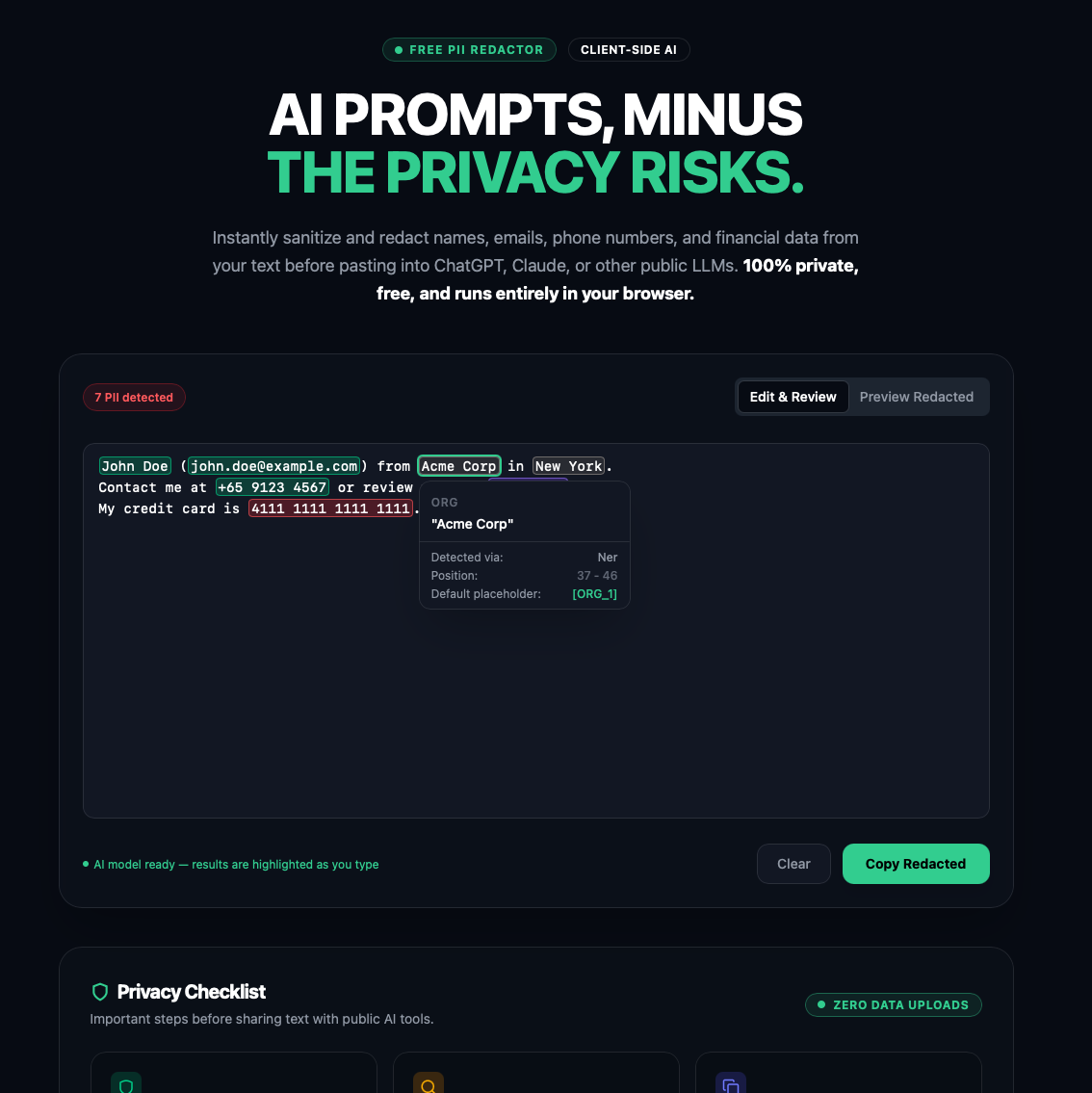
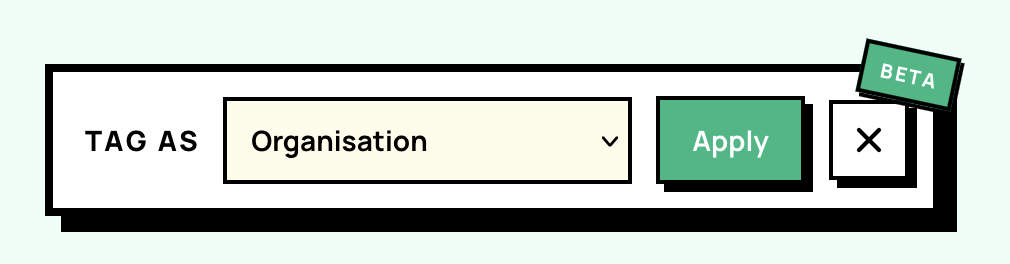
Scrubzero is more than a redactor. It is an audit tool that empowers users to verify and correct AI-generated redactions. I don’t trust AI to be 100% right, so I designed a UI that makes it impossible for the human to miss the mistakes.
Final Thoughts
Building ScrubZero changed how I view my role. In the early days of my career, I was a wireframe monkey - creating mockups and prototypes without much thought about logic and technical feasibility. Later, I became an architect, focusing on user flows and “jobs to be done”, all for the frictionless user experience.
Today, as we surround ourselves with AI agents that have an insatiable appetite for data, the role of the Product Designer has shifted again. Now, we are Orchestrators of human-AI collaboration in product design.
Our job no longer is just to reduce friction; it’s to decide what user truly needs to make it truly user-centric by building strategically, failing fast, and iterating smart.
Try ScrubZero
If you’re tired of the “Copy, Paste, and Pray” workflow when using LLMs, or while preparing golden document as a training dataset, give ScrubZero a spin. It’s free, it’s local-first, and literally your data is not used for anything else.
No accounts required. All processing happens locally on your browser. Launch ScrubZero